
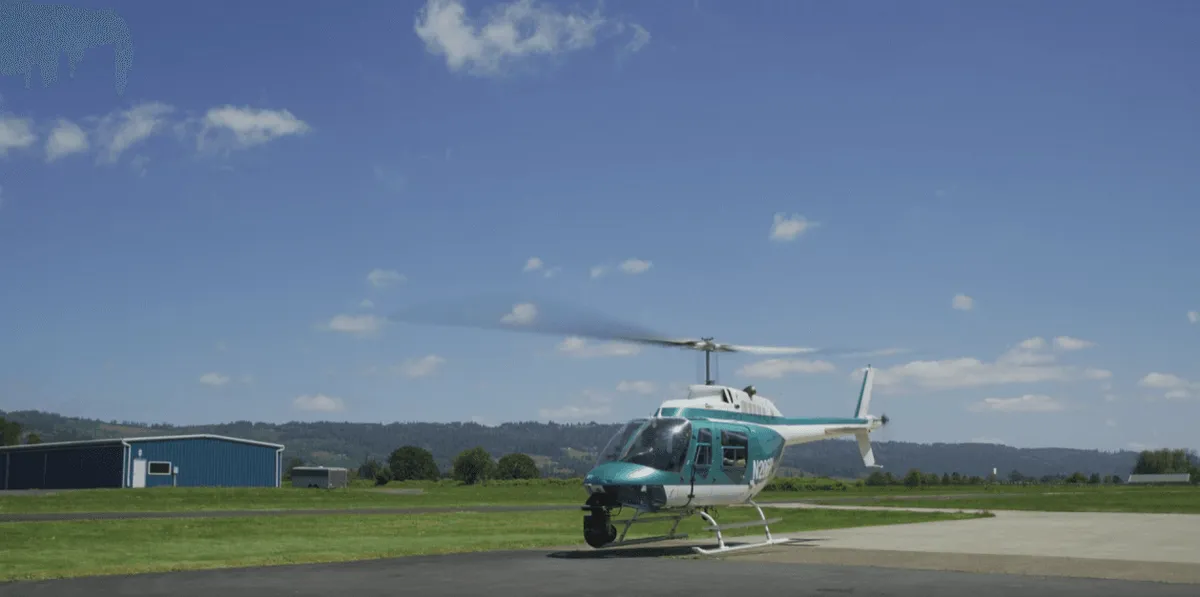
Drones have changed how audiovisual productions capture images. Aerial shots once commonly required helicopters or substantial crane equipment. Drones have made many kinds of aerial camera movement more accessible and flexible.
Benefits for audiovisual production
- Different perspectives: drones offer angles and movements beyond those available to a conventional ground camera.
- Production costs: for suitable shots, a drone can offer an economical alternative to a helicopter or crane setup.
- Versatility: different aircraft can support outdoor and indoor work, depending on the requirements of the operation.
- Image quality: high-resolution cameras and capable sensors support professional filmmaking workflows.
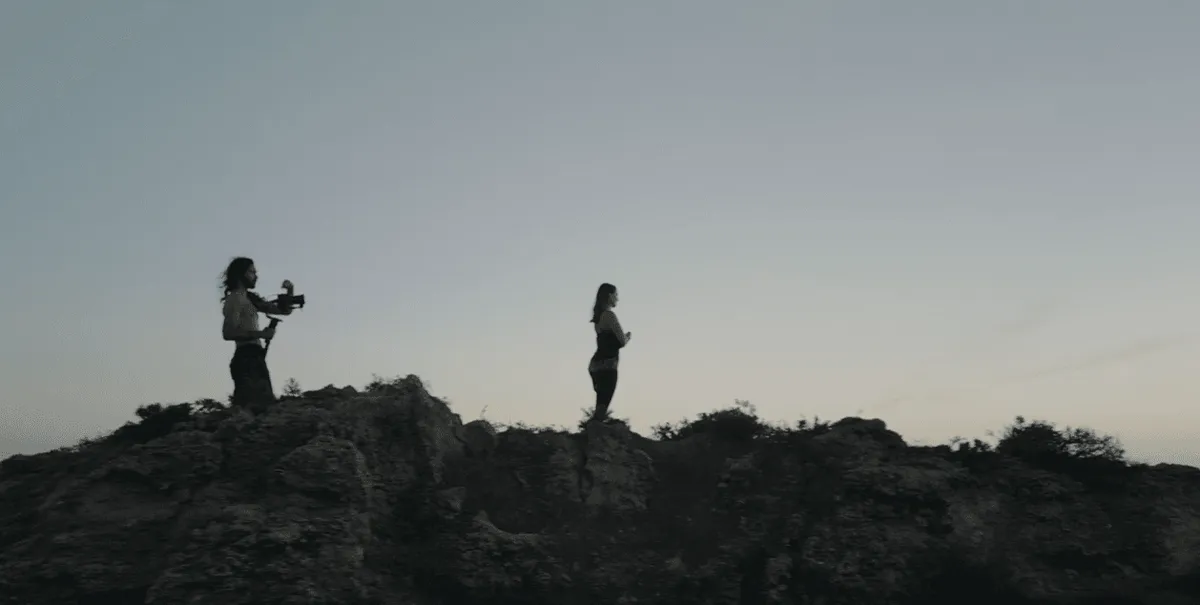
Where drones fit into the industry
1. Advertising and film
Commercials and films use aerial footage for action sequences, establishing shots and views of urban or natural landscapes. A drone adds another option to the director’s visual language.
2. Live events and concerts
Aerial views can communicate the scale of an event and its audience. They can also contribute to live coverage of sporting events and music festivals.
3. Documentaries and reporting
Drones can provide views of locations that are difficult to reach with a ground camera. In documentary work and reporting, those images can add context and information as well as visual impact.
Planning aerial footage
Plan the shots, check the rules, work with a qualified operator and make use of natural light. Our guide to integrating drones into a film shoot covers these points in more detail.
Choosing the right contribution
For producers, directors and content creators, drones offer another way to tell the story. Their value comes from choosing shots that contribute to the piece and planning how to achieve them.
If you need a professional aerial unit, explore our film and advertising service.